Is this Renewable Energy?

I’ve been working in the desert for some 5 seasons doing botanical surveys.  On a professional level, I love being on these mega-surveys that help collect important botanical and biological information about desert environments that are almost unexplored, untouched by human footsteps.  I can’t share all of what I’ve seen, but truly, the desert is a living, thriving place.

There is no doubt in my mind that desert biology is an acquired taste, and lets just say we have some fine vintages in Southern California.

Up close and personal with the desert: Desert Horned Lizard.

Continue reading

The Most Unique Bike Ride of the Bay Area – ALT

Bikes. Are. Rad.

That’s all there really is to say about these two-wheeled creatures.  They’re stylish, sleek, hardy, solid little engineered chunks of steel that provide a unique experience.  They are THE way to travel over land in my perspective.  I wish I could do all my field work on bike.

This is a little project in which I got to do quite a bit of it via two wheels.

Continue reading

Catkin Season: Bridge into Spring

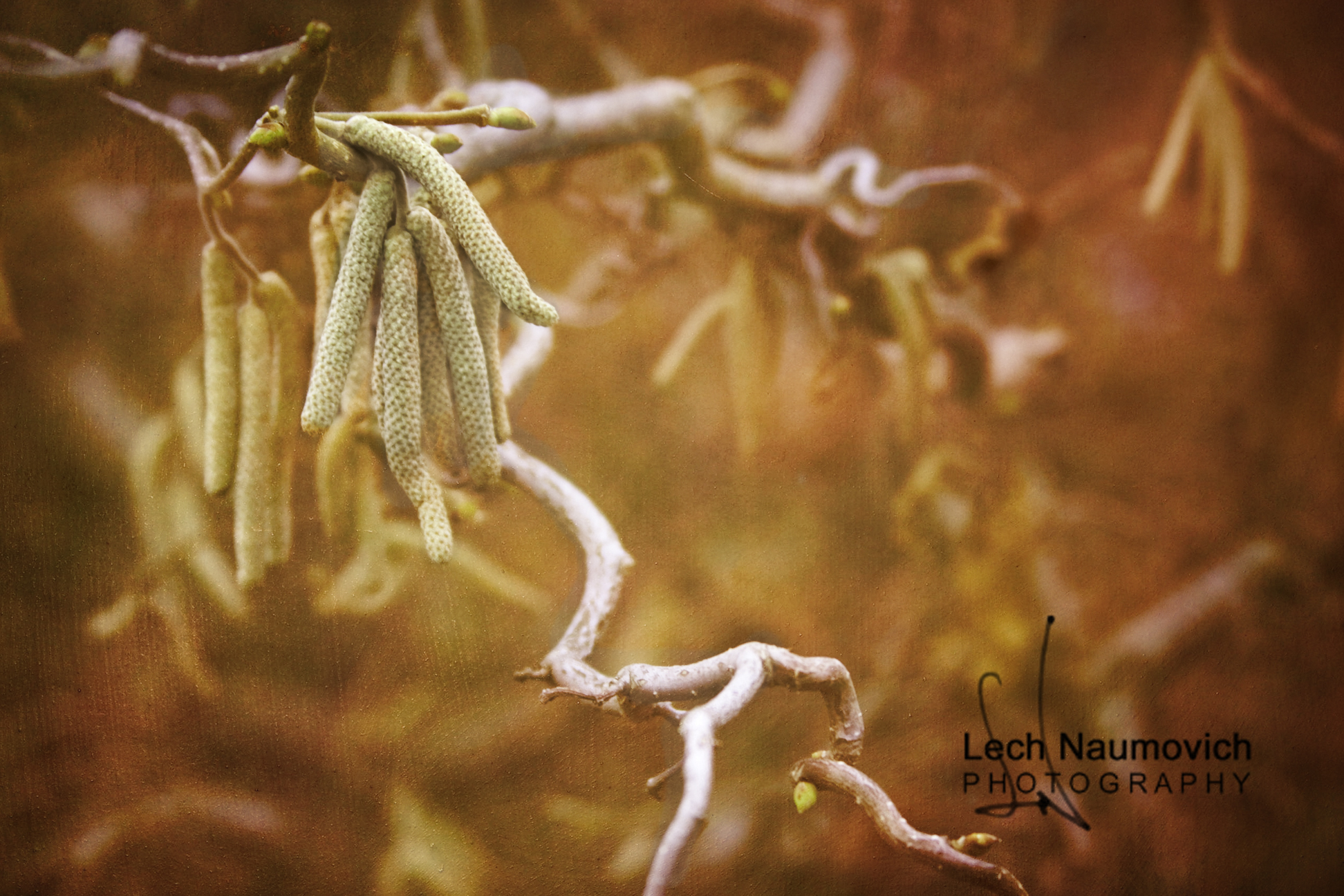
The catkin.  A harbinger of spring.  Here are a cluster of male catkins on a hazelnut (Corylus contorta to be sure).  Native hazelnut catkins are known to be especially important for the ruffed grouse who use these as an early spring “power bar”.  More than a snack, these foods catapult the grouse from a season depauperate of food into a season of more abundant food.  The catkins are a light at the end of the tunnel.

Click on picture for a larger image.

Notably, Native Americans were known to use Corylus americana medicinally for hives, biliousness, diarrhea, cramps, hay fever, childbirth, hemorrhages, prenatal strength, and teething, to induce vomiting, and to heal cuts (D. E. Moerman, 1986).  This is truly a plant whose beauty, nourishment and healing help demonstrate how rich of a world it is that we live in.

So what did I do here to “museum finish” this piece… Continue reading

Project 52: Vision Statement

I’m restarting Don Giannatti’s Project 52 this year. I enjoyed it for all it was worth last year, but failed to fully commit.  We had a baby.  I got into being a dad.  I kind slacked pretty hard on work enjoying my new life… you know.  I’m hoping for a better show this year! Here’s assignment 1:

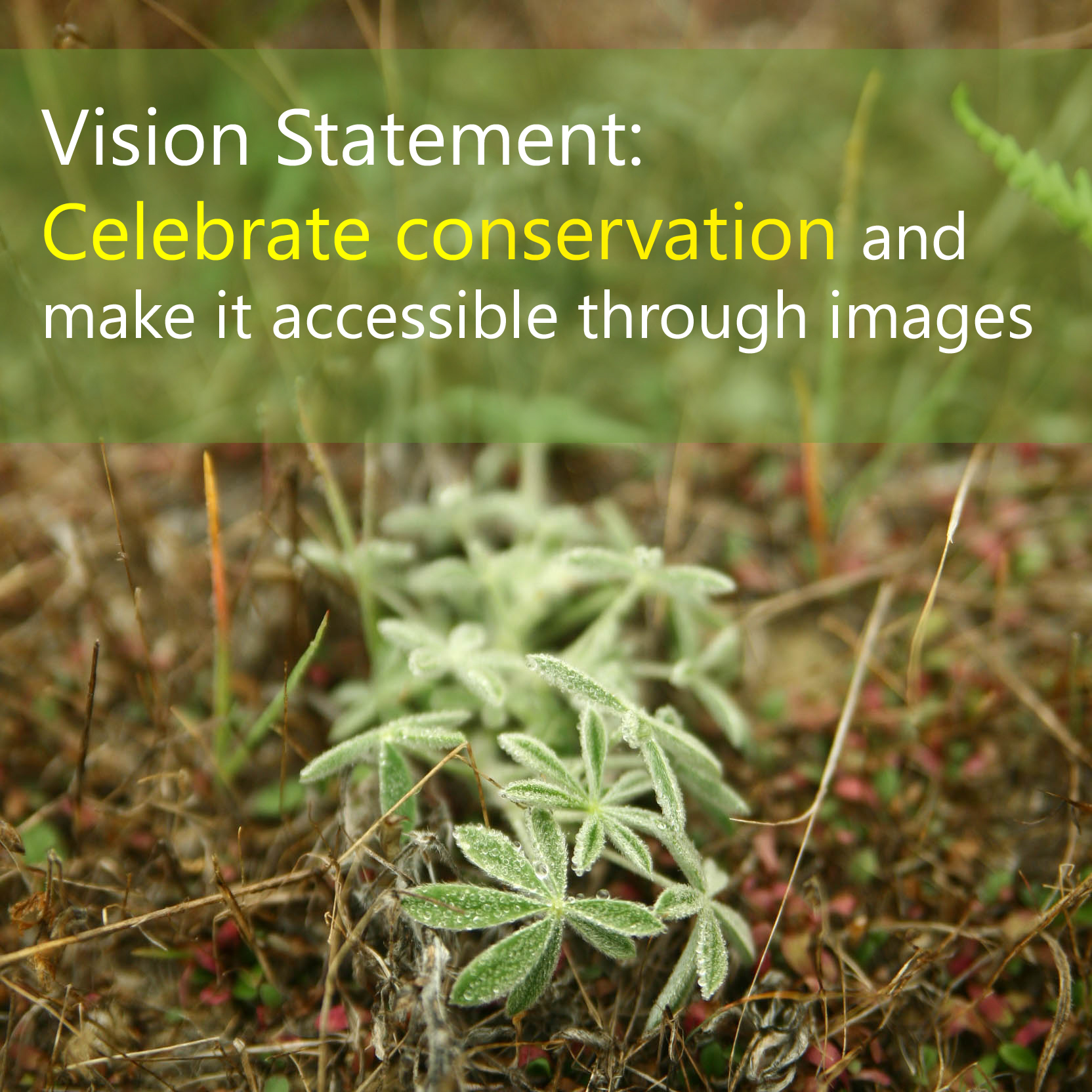
My Vision for my photography – I am a botanist and restoration ecologist by training and desire. I want other people to get hooked on nature like I am. At minimum, I want them to at least take a second, closer look at our plants, dirt and birds alike. It’s truly amazing how much richer every day is when ecology and nature is on your radar. That said, we need to conserve those places that give us access to these feelings of wonderment and peace. Therefore, my vision is to create engaging and interesting photographs about conserving and stewarding our natural resources. I want to celebrate conservation and make the science of ecology accessible through images.

Pictured above: Silver bush lupine seedling at Point Molate, CA, a place that was threatened by a casino as recently as a few months ago.  The casino proposal was destroyed by public support for “something better, even if Richmond is starving for jobs”.   Now Point Molate needs a plan and vision itself.  Notice all the browns, greys, greens and yellows among the lupine leaves.  As this habitat awakens the green will shine into the warmer summer months.

Native for the Holidays

We wanted to wish a warm and generous holiday season to all of our friends and family.  We feel blessed to have shared another year with you.  Thank you for the community that we grow into together.

This year we decided to throw a curveball into the age-old traditional of the Christmas tree.

Frosty, Santa, and the Cherry Tree

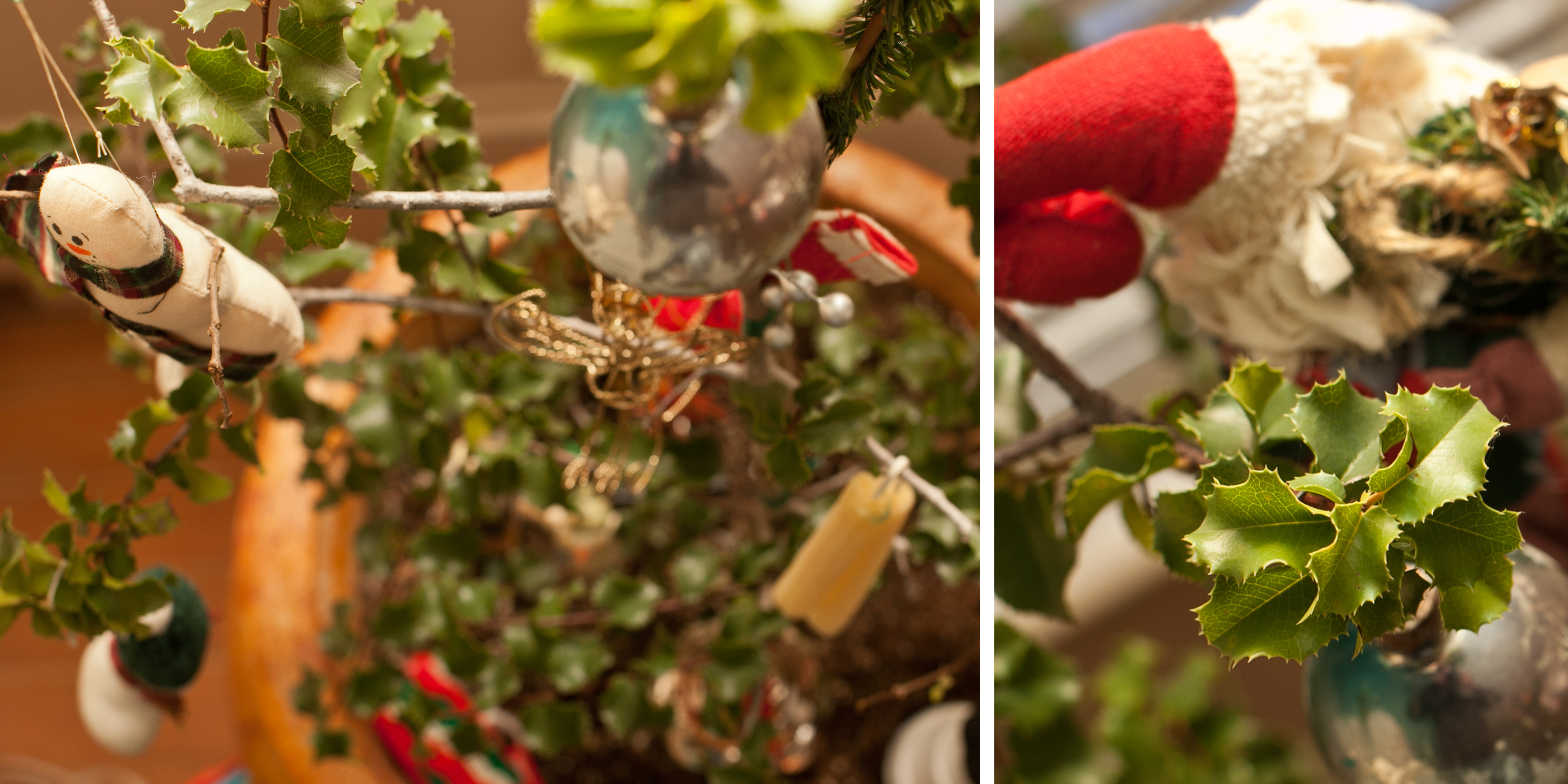
We decided to purchase a live tree, and at that, we decided on a beautiful locally-native holly-leaved cherry (Prunus ilicifolia).  This is a native rose that my botanist buddy Chris Thayer believes is fading from our area: the vanishing rose phenomenon.  These comely shrubs are getting pushed out by normal (and maybe abnormal) climate change.  As they cede to other vegetation, so do their wonderful March blossoms and yummy Cabernet colored fall berries.  Here’s our native tribute to Christmas. Go Native Santa!