Photography Workshop Registration Closes Today

research plot Tulare HillI’m very excited to be teaching a workshop on photography that is being sponsored by the California Native Grasslands Association.  

The workshop is a full 8-hour engagement with myself and photographer Jim Coleman of the Occidental Arts and Ecology Center.  We will be catering specifically to thinking about outdoors photography with an eye on conservation and site documentation. That doesn’t mean we won’t offer some basic ideas, themes and concepts to improve anyone’s photography (and if I remembered half the things I teach, I’d be a better photographer too!). We only have a limited number of spots remaining (in keeping with our class size of less than 15)!

Continue reading

The Dammed and the Wild: Rivers – August 2013 Desktop Calendar

Barely one of every 20 rivers found in the Northeast run to the ocean without an artificial dam altering flow patterns. Damming rivers was historically a profitable venture that allowed for control of nature and power generation. Now, many of these structures stand like tombstones. They represent a time when wild rivers were plenty and people were few. We are beyond that point and a greater economic and environmental good is actually derived from liberating these rivers.

Katdahdin stream spout-0754

Continue reading

My 100th post: Thoughts on Rain, Boundaries, Inspiration

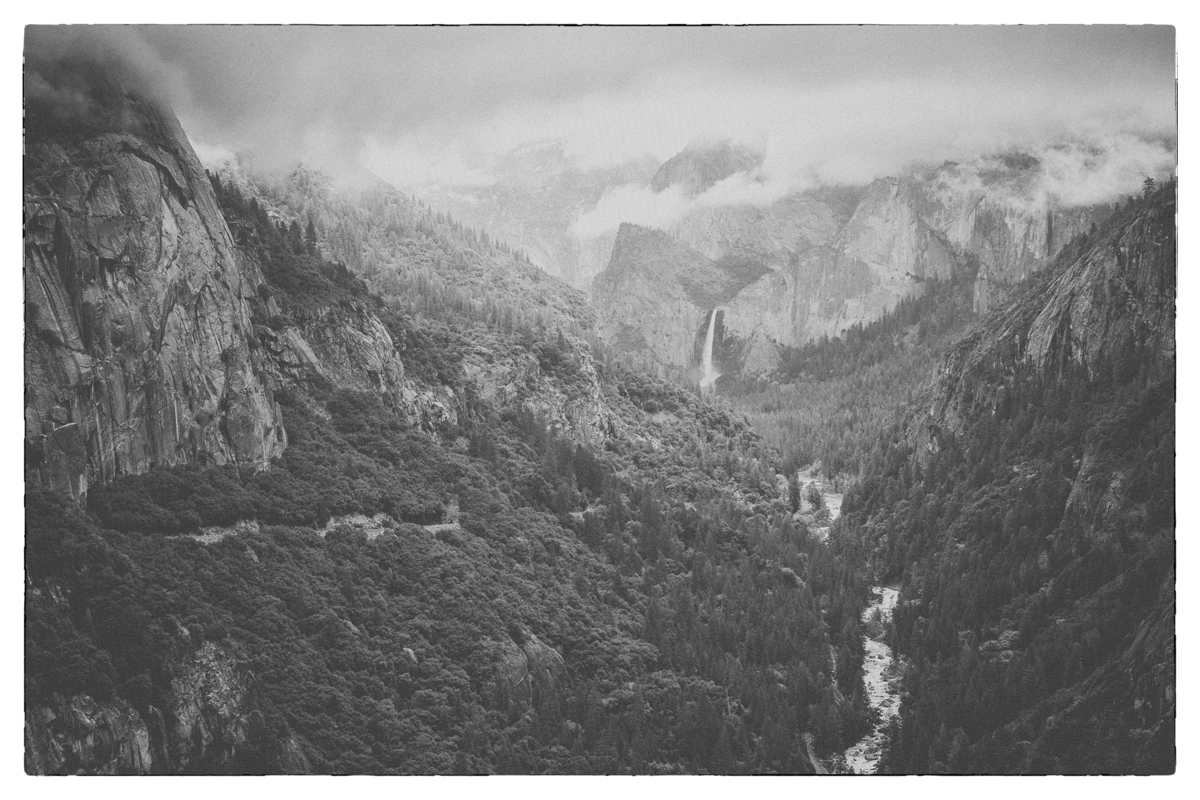
A tribute to another photographer who sometimes had rain and sometimes sun. Either way he created amazing images from embracing nature.

A tribute to another photographer who sometimes had rain and sometimes sun. Either way he created amazing images from embracing nature. Into Yosemite Valley – circa 2010.

Rain is the force of life in Mediterranean climates. It’s not simply a thing that happens here or there – rather it defines wet and dry seasons. It creates possibilities for birds, worms and salmon alike. Today it’s raining here. It’s quite a surprise for the end of June, but I wanted to embrace it. It’s a beautiful caesura in the parching season of the hot, dry summer which is forecast for 2013. Enjoy the rain, the anomalous rain and all the life it brings at the most unpredictable moments. Continue reading

Celebrating Point Molate Through Art

image

I am very blessed to be taking part in a very unique conservation art show. This event is dedicated to celebrating an environment that was nearly lost to a poorly planned development.  A citizens group from Richmond was one of the few advocates for protecting the Richmond shoreline. In what I would call the Golden Age of conservation in the Bay Area, most conservation organizations either supported developing the shoreline into a casino or quietly refused to comment. Conservation as a greater entity failed. I was angry, sad, and broken as I worked on this project as both a photographer and a conservation biologist.

Continue reading

June Desktop Calendar: El Capitan Meadow to be Closed

Yes, you read that right. One of the most iconic, magical places on earth will only be accessible by trespass. This is what we call Fortress Conservation in the ecology field: buy the land – then put a fence around it to limit human interaction.

Erecting fences is a short-sighted, privilege-driven way of doing conservation. It’s not a way to promote conservation, it’s the way to kill it.

fence

Continue reading

Drought, Groundwater and the Joshua Tree – May 2013 Desktop Calendar

While waking transects and looking for rare plants in the dusty Mojave Desert of 2013, I had much time to consider vastness, appropriateness and tenacity. Notably, it was hot, dry, and teetering on spiritual (which isn’t always a good thing when rattlesnakes abound).

The desert is nothing if it is not tenacious. It is an acerbic beast even in it’s kindest moments. Blowing sand, regular temperatures in the hundreds from April through October (in the sun that is). Humbling, and even bending or distorting the idea of life just a bit, since the desert’s signature is withering brown plant skeletons, dry playas and spines. Dessication, opportunity and impermanence are its soul. It is a tribute to both eternal things and the ephemeral. Within that sea, there are pauses of vibrance and life.

Sclerocactus macro-1030732

Continue reading

Happy Native Plant Week

I hope everyone reading this takes a moment to enjoy some plants native to their home, because it’s California Native Plant Week! Yes, be aware of lots of geeks (like myself) walking around your favorite park and staring at a single plant (usually its very small) with a small hand lens and a thick dictionary-like book nearby.

These are the plants that define place to me. The tall trees, or short grasses, or mucky wallows or vast seas of chaparral. All these places are unique because of the evolutionary and ecological processes that have culminated in the vegetation you see. I’m in love with our hills, or rivers, mountains and drylands all. These landscapes are ALL filled with amazing stories of survival, adaptation, and luck…

Cirsium fontinale macro-

Cirsium fontinale v. fontinale – the rare Mount Hamilton thistle

Here’s a list of very cool events (introvert alert)!  You will learn so much – please do try a field trip out.

Also, I’m working on a native grass photography workshop – yes – this will be very directed towards grassy plant nerds with cameras. More to come…

Rabbits brush at Cattani sml-1

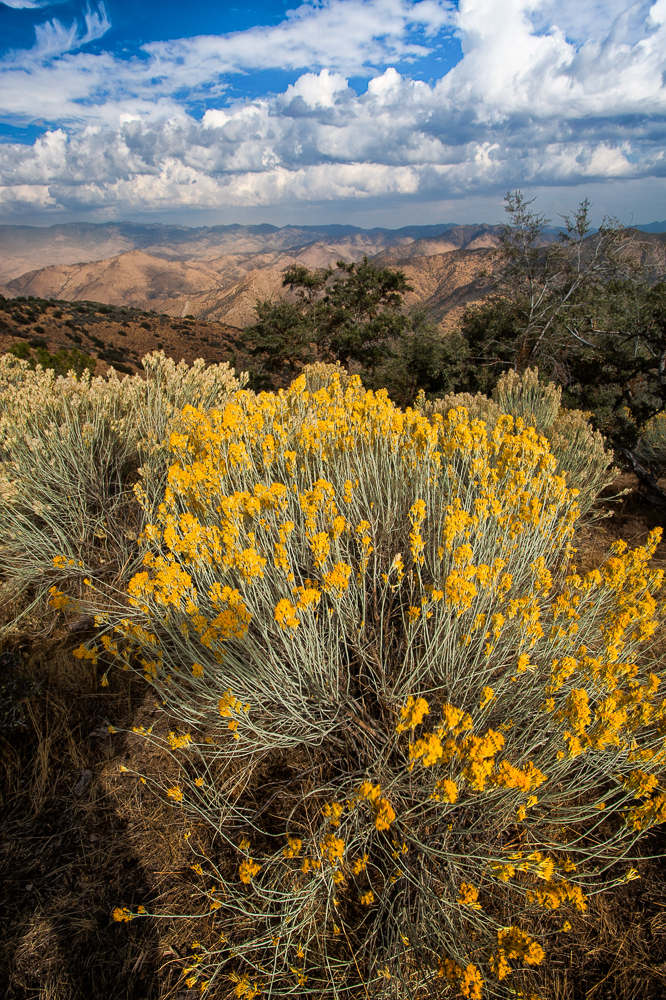
Rabbitbrush in full bloom in the Tehachapi mountains

The Biological Things Lech Does

Larv collectors

My biological field experience is what eventually led me to pick up a camera and use it as a tool for conservation and awareness. I was first attracted to the idea of creating National Geographic style images. You know, eye candy (for plant nerds). Grand, sweeping landscapes that sing of feelings of vastness and purity. Those classic photos oftentimes are thought to create a feeling of wilderness – a landscape untouched by humankind.

As I work more and more as a restoration ecologist, I have come to realize that the hand of humankind is critical in maintaining so many species and landscapes we might perfunctorily believe are “liberated” or protected from humans. It is our hands that help protect these places. And I’m not talking about raising fences and locking gates, I’m talking managing invasive plants, rewarding sensitive ranching practices, and leading hikes to get more people hooked on nature. Continue reading

Tejon Ranch, The Biggest Conservation Success – April 2013 Desktop Calendar

April Fools Day is over and traveling thru (a small part) of Tejon Ranch was a great way to spend it. The Tejon area was flush with extensive swaths of fiddleneck (Amsinckia eastwoodiae) coloring the hills orange. Truly, this may be the best display of fiddleneck I’ve ever seen.

Tejon Amsinkia -4787

Continue reading